
Growing Minds: The Benefits of Sensory Gardens in Schools

A sensory garden is more than just an attractive outdoor space — it’s an immersive environment designed to stimulate the senses and support student development. At Peak Playgrounds, we understand the transformative impact a sensory garden in schools can have on children’s well-being, behaviour, and learning outcomes. These vibrant garden spaces are rapidly becoming essential features in educational environments across the UK, helping pupils connect with nature, enhance sensory awareness, and experience the therapeutic benefits of outdoor play.
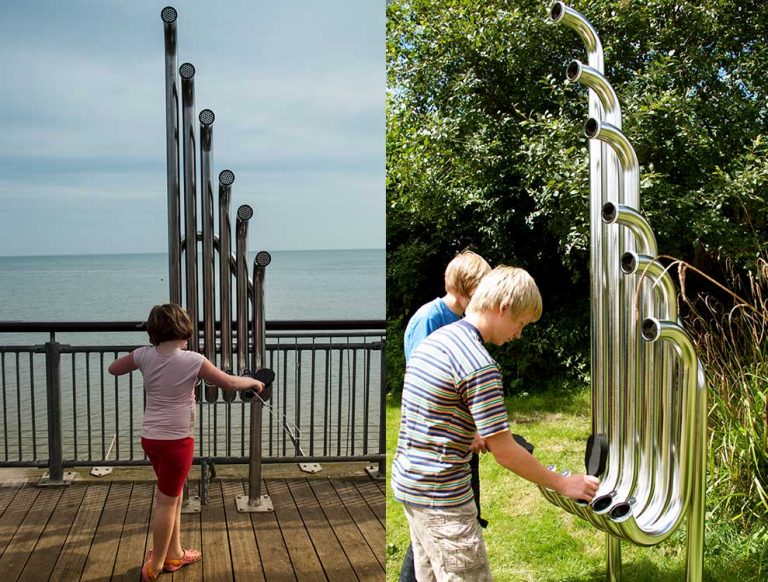
Tembos Musical Instrument Panel
What is a Sensory Garden?
A school sensory garden is a thoughtfully designed outdoor area filled with plants, textures, sounds, and interactive elements that appeal to all five senses. From fragrant lavender and rustling grasses to smooth pebbles and colourful wind chimes, every element serves a purpose. These spaces can be used to calm overstimulated children, engage pupils with special educational needs, and support emotional regulation.
Unlike traditional playgrounds, sensory gardens prioritise sensory stimuli and accessibility. They are inclusive spaces designed for wheelchair users, children with sensory processing challenges, and those who benefit from therapeutic sensory play.
Key Elements of a Sensory Garden Space
A successful sensory garden balances educational value with natural stimulation. Core elements include:
-
Scented summer flowers like chocolate cosmos and vanilla-scented heliotrope
-
Tactile foliage such as lamb’s ear, grasses, and interesting bark textures
-
Sound features like water fountains, rustling hedges, and outdoor musical instruments
-
Visual appeal from bright-coloured flowers, planters, and winding pathways
-
Tasteful plants, including edible plants such as herbs, broad beans, and even new potatoes
Different path surfaces, such as bark mulch, gravel, and smooth paving, offer varied textural feedback, encouraging sensory exploration and aiding mobility.
Benefits for Students and Staff
Sensory gardens in schools support multiple areas of child development. They help with:
-
Emotional well-being: Nature can lower anxiety and support emotional regulation
-
Sensory development: Children engage their basic senses—touch, taste, smell, sight, and hearing—through sensory play
-
Improved focus and behaviour: Exposure to a natural environment can have a calming effect and improve classroom engagement
-
Inclusion: Sensory spaces support SEND pupils and foster social interaction
These beautiful new sensory gardens also act as outdoor sanctuaries, giving children a space to decompress and recharge during the school day.
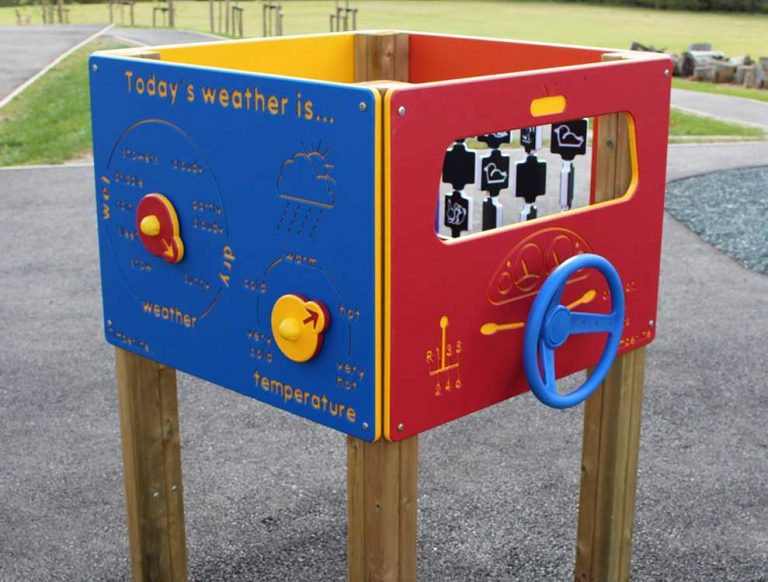
Bringing the Curriculum Outdoors
The best outdoor sensory spaces enhance learning by integrating directly into the curriculum:
-
Science: Explore pollination and seed dispersal, plant lifecycles, or environmental studies
-
Art: Use colours and textures from the garden to inspire natural artwork
-
English: Encourage nature journaling and creative writing
-
PSHE: Promote mindfulness, teamwork, and empathy through shared garden activities
With support from teachers and staff, a school garden becomes an extension of the classroom — a live, interactive environment that strengthens core subjects.
Designing a School Sensory Garden
At Peak Playgrounds, we specialise in crafting bespoke sensory areas tailored to each school’s space, budget, and needs. Here are some tips to consider:
-
Involve students in the planning process — they’ll take pride in their space and learn key skills
-
Select safe, non-toxic plants and include nectar-rich plants to support local wildlife
-
Use accessible height planters so all students, including those with limited mobility, can participate
-
Include free-standing tactile panels and outdoor musical instruments to boost engagement
Accessibility and Inclusivity
Every school sensory garden should be inclusive. That means:
-
Smooth, level pathways suitable for wheelchair users
-
Seating areas for rest and social interaction
-
Clear, easy-to-navigate zones for those with visual or mobility impairments
-
Use of contrasting colours and scented plants for those with different sensory needs
Accessibility isn’t a luxury — it’s a necessity in creating an inclusive environment where all children feel welcome.
Sensory Garden Activities
Sensory gardens are not just for looking at. They’re interactive! Some popular outdoor activities include:
-
Sensory walks: guided exploration using each of the five senses
-
Scavenger hunts: searching for bright lights, spicy aromas, or smooth pebbles
-
Seed planting and care: promoting responsibility and understanding of natural growth cycles
-
Outdoor storytelling: using the sensory space as a setting for narrative learning
These activities encourage hands-on learning, support mental well-being, and foster connection with the natural world.
Maintenance Matters
A thriving sensory garden requires regular upkeep:
-
Watering during dry spells
-
Weeding and pruning to keep the space safe and inviting
-
Seasonal planting to ensure year-round interest
-
Engaging pupils through garden maintenance clubs or eco groups
Low-maintenance plants, such as deciduous hedges and hardy grasses, are ideal for busy schools.
Why Every School Needs a Sensory Garden
The benefits of sensory gardens in schools are undeniable. They promote calmness, stimulate the senses, and enhance learning. Whether your goal is to improve student behaviour, support pupils with additional needs, or simply enhance your outdoor learning environment, a sensory garden is an investment in your school’s future.
At Peak Playgrounds, we’ve helped schools across the UK transform unused spaces into thriving sensory environments that promote growth, development, and happiness.
FAQs
What are the benefits of having a beautiful new sensory garden in schools?
A sensory garden improves emotional regulation, supports children with sensory needs, and enhances the overall learning experience through sensory stimuli and hands-on engagement.
How can a school sensory garden help students with sensory processing challenges?
By offering a controlled environment rich in textures, scents, and sounds, sensory gardens provide a calming space that helps students regulate their sensory input and reduce stress.
What role can a classroom play in the development and maintenance of a successful school sensory garden?
Classrooms can integrate garden tasks into lessons, run garden clubs, or assign maintenance responsibilities, turning the garden into a living learning space.
In what ways can edible plants be incorporated into a school’s sensory garden to enhance learning opportunities?
Plants like herbs, broad beans, and potatoes can teach students about food sources, nutrition, and gardening, offering cross-curricular links to science, health, and citizenship.
Ready to Start Growing Minds?
Let’s bring your school’s sensory garden to life.
Whether you’re in the early planning stage or ready to install, contact us today for expert guidance, bespoke design, and trusted installation services.
You may also like: